

Finding Shoes for Active Kids: The Guide
Finding the right shoes for active children is a real challenge. Children's feet grow quickly, each age phase brings different demands, and the market is confusing. Wrong shoes are not a minor offense: models that are too tight, stiff soles, or poor materials can permanently affect foot development. This guide shows you what you really need to look for when choosing shoes for sporty and active children. From materials and fit to the best types of shoes for different activities.
Table of Contents
- Key Takeaways
- Ideal Materials for Active Children's Shoes
- Checking the Right Shoe Size and Fit
- Shoe Types by Age and Activity
- Avoiding Common Mistakes When Buying Shoes
- Care and the Right Time for New Shoes
- My Experience with Children's Shoes and Foot Health
- Ebmini Barefoot Shoes for Active Children
- FAQ
Key Takeaways
| Point | Details |
|---|---|
| Material is key | Breathable materials like leather or mesh protect against heat build-up and blisters. |
| Allow for growth | About 12 mm of space in front of the toes is a good guideline when buying. |
| Measure regularly | For toddlers, new measurements should be taken every 8 to 12 weeks. |
| Choose shoe type by age | First walker shoes, slippers, and sports shoes have different requirements for each age group. |
| Care extends lifespan | Regular airing and material-appropriate care ensure durability and hygiene. |
Ideal Materials for Active Children's Shoes
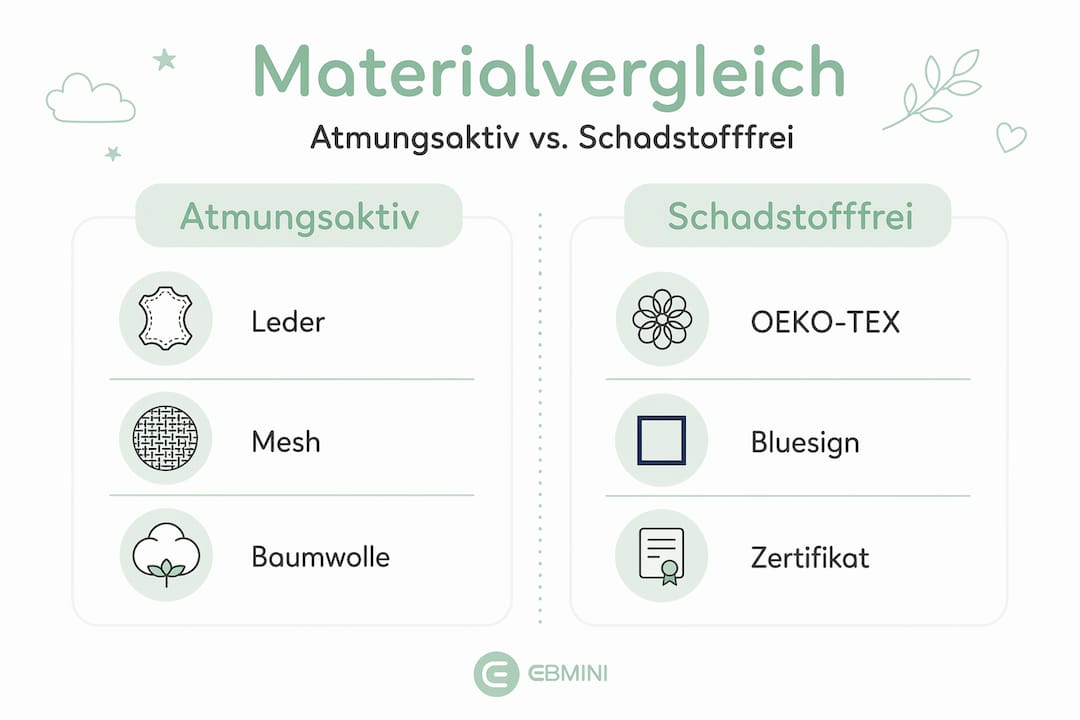
When buying children's shoes, the material often determines whether a shoe truly fits or just looks good. Children's feet sweat significantly more than adult feet. Plastic without air circulation leads to friction, heat build-up, and eventually uncomfortable pressure points. Therefore: breathable materials like leather, mesh, or textile fabrics are the first choice.
Good shoes for active children meet several criteria simultaneously:
- Upper material: Natural leather or high-quality mesh allow air to circulate and conform to the foot shape.
- Sole: Flexible in the forefoot, stable in the heel is the basic rule. The sole must yield slightly in the ball of the foot area and not tilt sideways.
- Avoid synthetics: Fully synthetic materials without breathability heat up the foot and promote fungal infections.
- Interior: Soft, seamless linings prevent chafing during long days of play.
One aspect often overlooked: the so-called shoe automatism. Good soles support foot movement but do not replace muscle development in the child. Too much support can eventually lead to the natural foot muscles being less trained.
Pro Tip: When buying, look for freedom from harmful substances. Look for certificates like OEKO-TEX or Bluesign, which exclude harmful substances in the material. Natural upper materials are almost always the better choice.
Checking the Right Shoe Size and Fit
The most common mistake when buying shoes is misjudging the size. And the tricky part: children often don't even notice when the shoe is pinching. They get used to the pressure and show no discomfort. That's why you, as a parent, need to be proactive.
Here's how to measure and try on:
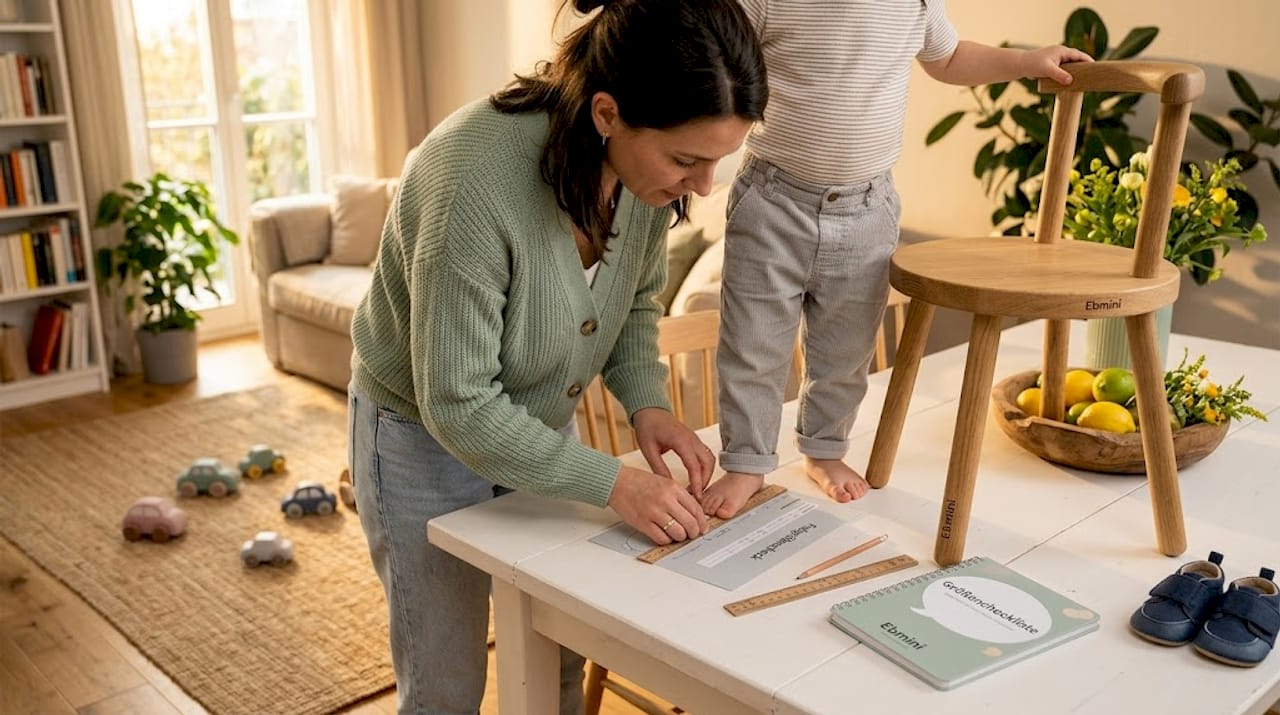
- Measure foot length: Have your child stand on a white sheet of paper and trace the outline of their foot. Then measure from the heel to the longest toe.
- Calculate growth allowance: About 12 mm of space in front of the toes should be planned for when buying. This corresponds to about half to a full shoe size.
- Try on in the afternoon: Children's feet are slightly wider in the afternoon than in the morning. Never buy in a rested state early in the morning.
- Fit check when putting them on: Heel firm, no tilting when walking, enough toe room. Ask your child to take a few steps and jump in the shoes.
- Measure regularly: For toddlers under 3 years old, feet grow so quickly that they should be remeasured every 8 to 12 weeks.
A common misconception is buying in advance. Shoes that are two sizes too large do not provide proper support and hinder natural rolling. The child stumbles more often and may develop an altered gait. It's also worth looking sideways: parents should pay attention to the difference between narrow and wide feet and specifically ask for models with appropriate width when buying.
Pro Tip: Use Ebmini's free size checklist for an accurate fit check at home. This way, you won't forget any checkpoints when trying them on.
Shoe Types by Age and Activity
Not every shoe suits every child and every situation. The phase a child is in determines what a shoe needs to accomplish. Here's an overview of the most important shoe types:
- First Walker Shoes (1 to 3 years): Soft, flexible soles are crucial here. The foot must fully learn to roll. Soles that are too stiff hinder this process.
- Slippers for day-care and kindergarten: Flexible, non-slip, and breathable are the three most important features. Supple leather ensures natural movements and a comfortable foot climate throughout the long day-care day.
- Sports Shoes and Sneakers (from 4 years): Older children need more support for quick movements. The sole can be a bit thicker, but not too stiff, to avoid poor posture.
- Hiking Boots for Outdoor Adventures: A high shaft protects against twisting on uneven terrain. Robust profiled soles provide grip on mud, rocks, and wet paths.
- Barefoot Shoes and Summer Shoes: Barefoot walking strengthens foot muscles, but beginners should gradually increase their use. Barefoot shoes offer a middle ground: they protect against injuries while allowing maximum foot movement.
| Age | Recommended Shoe Type | Most Important Feature |
|---|---|---|
| 1 to 3 years | First Walker Shoe | Soft, flexible sole |
| 3 to 6 years | Slipper or Sneaker | Non-slip, breathable |
| 6 to 10 years | Sports shoe or hiking boot | Stability and good support |
| Summer, all ages | Barefoot shoe or sandal | Maximum freedom of movement |
For transitional seasons, it's worth looking at models that work between seasons. This guide to choosing shoes for transitional periods offers a good starting point.
Avoiding Common Mistakes When Buying Shoes
Even well-informed parents fall into certain traps. The good news is that with a little knowledge, the most common mistakes can be easily avoided.
- Shoes that are too small: Children have a low pain threshold and often don't consciously feel pressure. Shoes that are too tight can lead to bunions, hammertoes, and permanent deformities. Regularly check if there's still thumb-width space.
- Soles that are too stiff: An inflexible sole prevents natural rolling. The child starts to walk differently, which can affect knees and hips in the long run. Poor closure systems: Velcro fasteners are ideal for younger children because they offer secure hold and promote independence. Shoes with loose laces are a tripping hazard for toddlers.
- Air-impermeable materials: Rubber or plastic without ventilation quickly lead to damp, warm feet. This increases the risk of blisters and fungal infections.
- Wrong timing for purchase: Many parents buy shoes spontaneously when the child is present and whining. The best time is in the afternoon when the child is well-rested but not overtired.
Pro Tip: Actively involve your child in shoe selection. If the child likes the shoe, they will enjoy wearing it. A shoe that is perceived as uncomfortable will quickly end up in the corner, no matter how good it is medically.
Care and the Right Time for New Shoes
Good shoes last longer if they are properly cared for. At the same time, regular checks are not a luxury, but a must for active children.
- Consider material: Leather shoes need shoe cream or waterproofing spray. Textile shoes can often be cleaned in the washing machine at low temperatures. Synthetic materials usually only need a damp cloth.
- Ventilate after wearing: Never put shoes directly into the shoe box. Regular ventilation reduces moisture, prevents odors, and significantly extends their lifespan.
- Check for wear: Regularly examine the sole and heel. Uneven wear can indicate incorrect weight distribution.
- Recognize warning signs: If your child stumbles more often, shows pressure marks when taking off their shoes, or complains of pain after playing, the shoe is very likely too small.
When wearing shoes, pay attention to suitable socks. Socks that are too thick change the fit of the shoe, while those that are too thin offer little protection. Breathable cotton or merino wool socks are best suited for high-quality children's shoes.
Pro Tip: Always buy two pairs of shoes to alternate. When one pair can air out, the other stays fresher. This reduces odors and significantly extends the lifespan of both pairs.
My Experience with Children's Shoes and Foot Health
Over the years, I have seen and tested many children's shoes and spoken with parents. And I will say directly what always surprises me: Most parents underestimate how much stiff soles and tight shoes hinder foot development. They buy shoes that seem robust but barely allow the foot to move naturally.
My experience with flexible barefoot shoes has shown me that children who grow up in such models walk significantly more confidently. They stumble less and develop a good sense of their body earlier. This is because the foot receives real feedback from the ground with every step. This is not a marketing promise; it is biomechanics.
My advice to all parents: Proceed gradually when switching to new shoe models. Start with shorter wearing times and observe how your child reacts to the shoe. The joy of wearing them is a real signal. A child who runs, jumps, and climbs in their shoes has found the right shoe.
— Ebmini
Ebmini Barefoot Shoes for Active Children
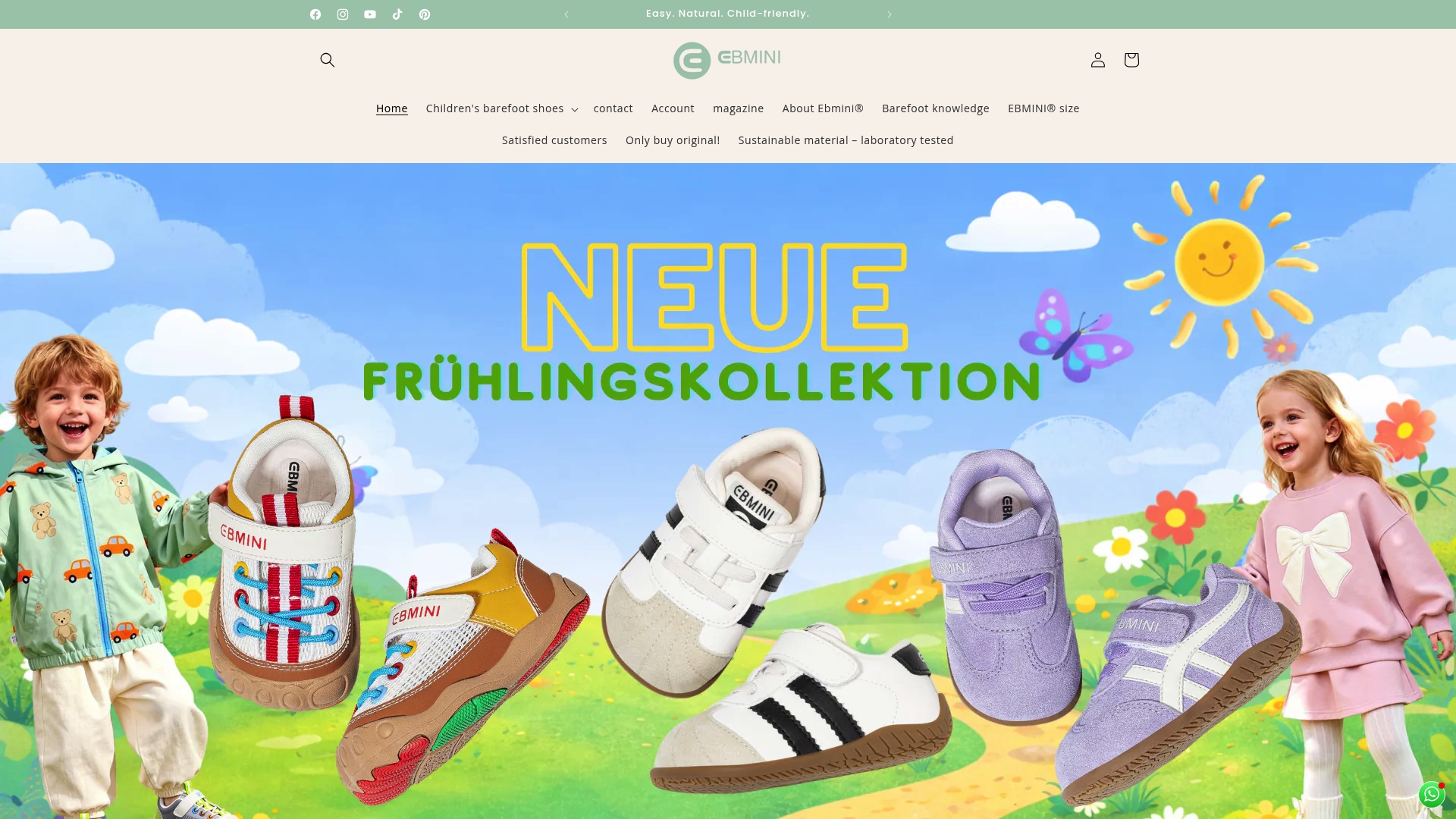
For active offspring seeking healthy, comfortable children's shoes, Ebmini offers a range specifically designed for natural foot development. The models combine wide toe boxes, flexible soles, and zero-drop construction with high-quality, breathable materials. The result: a shoe that feels like a second skin and withstands real wear and tear.
Whether it's sneakers for everyday wear, sandals for summer, or robust winter models: Ebmini's barefoot shoes for children cover all situations active children find themselves in. For fast-paced play days outdoors, the sneaker models are particularly recommended. They are lightweight, non-slip, and water-repellent. Ordering, size consultation, and shipping are straightforward directly via ebmini.de.
FAQ
What is most important when buying shoes for active children?
Breathable materials, a flexible forefoot sole, and sufficient toe room of about 12 mm are the three most important criteria. Stiff soles and synthetic materials should be avoided.
How often do children's shoes need to be readjusted?
For children under 3 years old, measurements should be taken every 8 to 12 weeks. Older children grow slower, but a check every 3 months is still advisable.
Are barefoot shoes suitable for all active children?
Barefoot shoes are very suitable for most children because they strengthen foot muscles and allow natural movement. Beginners should start with short wearing times and gradually increase.
Why do children often not notice when shoes are too small?
Children have a lower pain threshold than adults and quickly get used to pressure. Therefore, parents must regularly check themselves whether there is still enough space in the shoe.
What types of shoes are suitable for outdoor activities?
For hiking and uneven terrain, shoes with a high shaft and robust sole profile are suitable. For running and playing outdoors, lightweight barefoot shoes or sports shoes with a non-slip sole are ideal.


