

Kids' Shoe Quality Seal: Overview for Parents 2026
Quality seals for children's shoes indicate tested freedom from harmful substances, sustainable materials, or a healthy fit, making them the most important guide when buying shoes for children aged 1 to 10. The children's shoe quality seal overview shows: not every seal tests the same thing. OEKO-TEX STANDARD 100 tests for harmful substances, the WMS system of the German Shoe Institute ensures fit quality, and LWG evaluates the environmental performance of tanneries. Those who understand these three categories make significantly better decisions for their child's foot health when purchasing.
What types of quality seals are there for children's shoes?
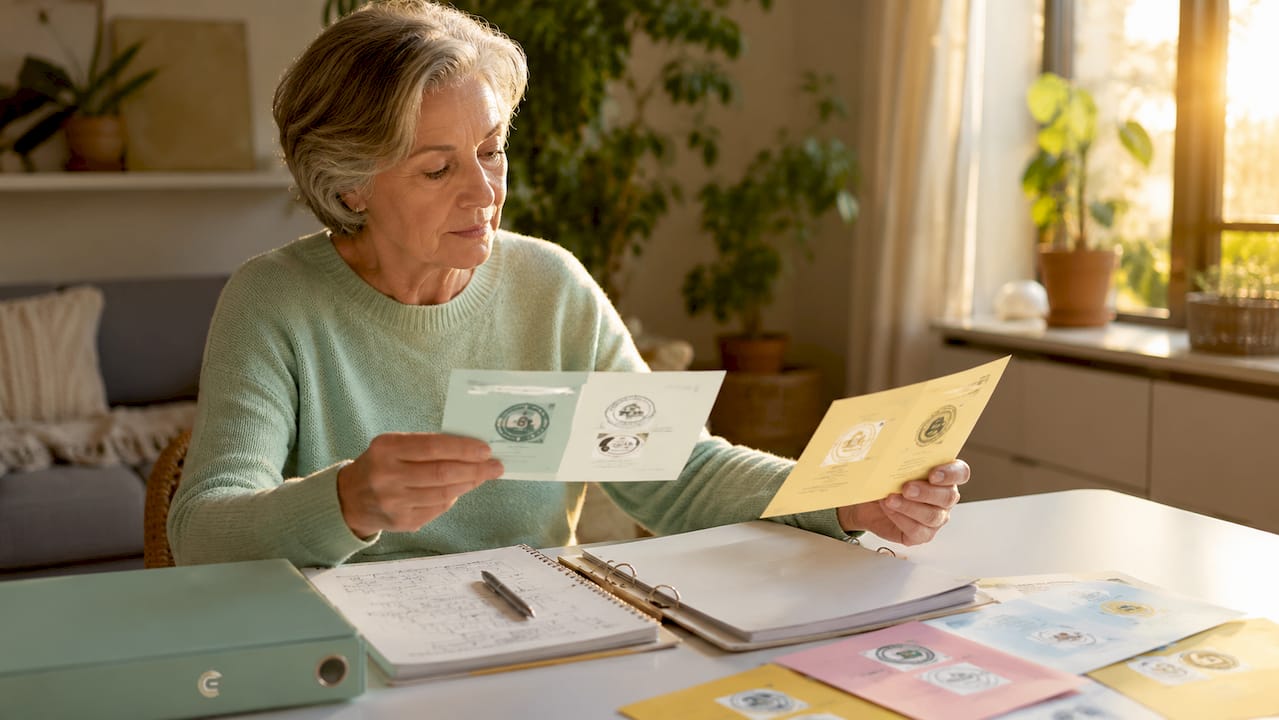
Quality seals for children's shoes can be divided into three distinct categories: harmful substance testing, environmental and material chain testing, and fit and quality licensing. Categorizing seals by test objective instead of brand name is the crucial first step to avoid confusing environmental with harmful substance tests. Understanding this prevents falling for marketing promises.
Category 1: Harmful Substance and Health Seals
- OEKO-TEX STANDARD 100: Tests textile components in shoes for formaldehyde, heavy metals, pesticides, and plasticizers. Shoes with textile lining can carry this seal.
- bluesign: Focuses on chemical safety in textile production, relevant for shoes with synthetic uppers.
- GOTS (Global Organic Textile Standard): Applies to organic cotton components, less common in shoes, but possible for insoles or lining.
Category 2: Environmental and Material Chain Seals
- LWG (Leather Working Group): Evaluates the environmental performance of tanneries, not working conditions. Parents who prioritize social criteria need additional seals.
- Rainforest Alliance: Relevant for natural rubber soles, tests sustainable forestry.
Category 3: Fit and Quality Licensing
- WMS System: Licensing system of the German Shoe Institute with width classification (W = wide, M = medium, S = narrow) and regular independent checks.
- GS Mark (Geprüfte Sicherheit - Tested Safety): General product safety seal, also applicable to children's shoes.
Pro Tip: When purchasing, note the license number of the seal and check it in the respective database, for example, on the OEKO-TEX website or at the German Shoe Institute. This way, you avoid marketing exaggerations and identify genuine certifications.
Many parents confuse the meaning of seals because they test different aspects and are not automatically comprehensively effective. A shoe with an OEKO-TEX certificate is tested for harmful substances but is not automatically fit-appropriate. A WMS shoe fits well, but does not necessarily have to be tested for harmful substances. The best choice combines seals from at least two categories.
Which seals are particularly relevant for healthy children's shoes?
The three most important seals for parents who care about foot health and safety are OEKO-TEX STANDARD 100, the WMS system, and LWG. Each of these seals has a clearly defined scope that does not overlap with the others.
| Seal | Test Area | Relevant for children's shoes because… |
|---|---|---|
| OEKO-TEX STANDARD 100 | Harmful substances in textile components | Tests formaldehyde, heavy metals, pesticides, and plasticizers |
| WMS System | Fit and quality license | Ensures width classification and independent manufacturer controls |
| LWG | Tannery environmental performance | Evaluates water consumption, chemical use, and waste management |
| GS Mark | General product safety | Legally defined safety requirements for consumer products |
| GOTS | Organic textile components | Relevant for shoes with organic cotton lining or insoles |
OEKO-TEX STANDARD 100 tests shoes with textile components for harmful substances with limit values that vary depending on the product class. For children's shoes, the strictest Class I applies, as toddlers often put materials in their mouths. For parents, this means: a shoe with this seal has demonstrably no dangerous chemicals in the lining or upper material.
The WMS system is more than a width indication. It is a licensing system where only qualified manufacturers with regular independent controls are allowed to produce children's shoes with the WMS seal. Manufacturers like Superfit, Ricosta, and Elefanten work according to these guidelines. This protects against poorly fitting shoes that can promote deformities.
LWG evaluates the environmental performance of tanneries, not working conditions or freedom from harmful substances in the final product. Parents who want to buy eco-friendly children's shoes and also consider social standards need an additional seal such as Fair Wear Foundation or SA8000. LWG alone is not sufficient for a complete sustainability assessment.
Pro Tip: When buying leather shoes, look for the combination of LWG-certified leather and OEKO-TEX-tested lining. This combination covers both environmental and harmful substance aspects and is often found in brands like Froddo and Ricosta.
How do you evaluate seals together with fit and wearing characteristics?
No quality seal protects against foot problems if the shoe doesn't fit properly. Fit measurement, fit control, and quality seals together are indispensable for healthy foot development. This three-step process is the core of every good purchasing decision.
Here's how to approach your purchase methodically:
-
Measure foot length and width: Place your child on a piece of paper and trace the outline of both feet. Measure the length from heel to the longest toe and the width at the widest point. Use the Determine children's foot width guide for accurate results.
-
Allow for 12 to 15 millimeters of extra space: Children's feet need room to move. Shoes that are too tight can damage toes and nail beds, even if they carry a quality seal.
-
Check sole flexibility: First-walker shoes should be light, soft, and flexible to support natural foot movements. Bend the sole with both hands: it should bend without much resistance.
-
Use WMS measuring devices in specialized stores: Specialized children's shoe stores have WMS measuring devices that measure length and width simultaneously. This measurement takes two minutes and is more precise than any home measurement.
-
Seal check on the shoe: Check the inner lining for OEKO-TEX labeling and the box for WMS license information. If this information is missing, ask the sales staff for the license number.
Pro Tip: Buy children's shoes in the afternoon if possible, when feet are slightly swollen from activity. This way, you avoid a shoe fitting in the morning but pinching in the afternoon, even if it has all the seals.
The combination of measuring devices, properly fitting models, and certified seals ensures the best protection for children's feet. Parents who only pay attention to seals without checking the fit may buy a non-toxic shoe that still causes harm. Both aspects are equally important.
Which quality brands work with recognized quality seals?
Certain brands have built a reputation in the children's shoe sector through consistent seal work and regular controls. This overview will help you with your pre-selection before you go to the store.
Brands with WMS license and wide assortment:
- Superfit: Austrian manufacturer with full WMS licensing, wide range from first-walker shoes to school shoes, regularly among the top-rated children's shoes in trade magazines.
- Ricosta: German traditional company with WMS certification and LWG-certified leather, known for durability and precise fit.
- Elefanten: WMS-licensed with a focus on wide foot shapes, well suited for children with wide feet aged 1 to 6 years.
Brands for wide and special foot shapes:
- Froddo: Croatian manufacturer with LWG Gold certification for leather and OEKO-TEX tested materials, especially recommended for wide feet.
- Bisgaard: Danish brand with a focus on natural materials and tested textile components, a good choice for sensitive children's skin.
- Pololo: Specialist for wide children's feet with WMS width specifications and vegan models.
Manufacturers with a focus on sustainability:
- Naturino: Italian manufacturer with LWG-certified leather and a focus on natural materials.
- Kavat: Swedish brand with a long tradition in sustainable production and harmful substance testing.
WMS-licensed manufacturers are regularly checked by independent institutes, which goes far beyond simple labeling of width. These checks include production standards, material quality, and the correct application of width classification. For parents, this means: the license is not a one-time certificate, but an ongoing quality process.
When buying eco-friendly children's shoes, it is worth looking specifically for brands that combine multiple seals. A shoe with a WMS license, OEKO-TEX-tested lining, and LWG-certified leather meets all three test categories simultaneously. Such combinations can be found at Froddo, Ricosta, and Superfit in the higher price range from 60 Euros.
Key Takeaways
Quality seals for children's shoes are truly protective only if parents understand the three test categories—harmful substances, environment, and fit—and consider all three when making a purchase.
| Point | Details |
|---|---|
| Distinguish seals by category | OEKO-TEX tests for harmful substances, WMS ensures fit, LWG assesses tannery environmental performance. |
| Always check license numbers | Note seal names and validate them in official databases to identify marketing claims. |
| Fit complements every seal | Without correct foot measurement and fitting, no quality seal protects against deformities or pressure points. |
| WMS is more than width specification | The WMS system obliges manufacturers to independent controls and scientific fit standards. |
| Prefer multiple certifications | Brands like Froddo, Ricosta, and Superfit combine WMS, OEKO-TEX, and LWG for comprehensive protection. |
My Assessment of Children's Shoe Quality Seals
At Ebmini, we see every day how parents are overwhelmed by quality seals. Not because they don't want to be informed, but because the market is flooded with seals, many of which say little.
My honest advice: Don't blindly trust any seal. A shoe that advertises with five logos on the packaging but has no WMS mark and no license number is often less tested than a simple shoe from Superfit or Ricosta. The number of logos says nothing about the depth of the test.
What I've learned after years in this field: The combination of foot measurement, fitting, and targeted seal check drastically reduces mispurchases. Parents who proceed systematically less often buy shoes that pinch after two weeks or cause ingrown toenails. This is no coincidence, but the result of method.
Sustainability is not a marketing term for me. LWG-certified leather means that the tannery uses less water and chemicals more responsibly. That's good for the environment and often also a sign of higher material quality. However, those who want to buy eco-friendly children's shoes should know that LWG does not test social working conditions. For a complete picture, additional information from the manufacturer is needed.
My final thought: Quality seals are tools, not guarantees. Use them as a first filter, but let your own examination of the shoe and your child's foot have the final say.
— Ebmini
Ebmini Barefoot Shoes: Tested Quality for Healthy Children's Feet
If you are looking for children's shoes that combine freedom from harmful substances, a healthy fit, and sustainable materials, the Ebmini range is a direct answer to the requirements of this overview.
Ebmini develops barefoot-like children's shoes with a wide toe box, zero drop, and a flexible sole that support natural foot movements. All models are tested for harmful substances and are available for children from their first steps to school age. Whether you are looking for barefoot shoes for children for everyday wear, barefoot sneakers for active days, or baby barefoot shoes for their first steps: Ebmini combines tested material quality with the principle of healthy barefoot walking.
FAQ
What does OEKO-TEX STANDARD 100 test for in children's shoes?
OEKO-TEX STANDARD 100 tests textile components in shoes for harmful substances such as formaldehyde, heavy metals, pesticides, and plasticizers. For children's shoes, the strictest product class I applies, as toddlers often put materials in their mouths.
What does the WMS seal on children's shoes mean?
The WMS system is a licensing system of the German Shoe Institute that obliges manufacturers to regular independent controls and scientific fit standards. It classifies widths into W (wide), M (medium), and S (narrow) and is one of the most important quality guarantees in the children's shoe sector.
Is one quality seal enough for a safe children's shoe purchase?
A single seal is not enough because each seal only tests one aspect. The combination of a harmful substance seal (OEKO-TEX), a fit seal (WMS), and correct foot measurement on site provides the best safety for healthy children's feet.
Which brands are considered top-rated children's shoes with quality seals?
Superfit, Ricosta, and Froddo are among the most frequently recommended brands because they combine WMS licensing, OEKO-TEX testing, and LWG-certified leather. This multiple certification simultaneously covers harmful substances, fit, and environmental aspects.
How do I recognize a genuine quality seal on children's shoes?
Genuine seals carry a license number that you can check in the official database of the respective seal issuer. If the number is missing or only a logo without reference is found, it may be an uncertified marketing claim.


